

wetroom glass screens
The Silent Check Valve An Essential Component in Fluid Systems In the intricate world of fluid dynamics, the Silent Check Valve plays a pivotal role, ensuring the smooth and efficient functioning of various systems. This unsung hero is a critical element that often goes unnoticed but holds immense significance in maintaining the integrity of pipelines and preventing backflow. A check valve, by definition, is a non-return valve that allows fluid to flow in one direction while preventing its reverse movement. The term silent appended to it refers to its unique feature of operating with minimal noise, making it an ideal choice for applications where sound emissions need to be controlled or reduced. It is designed to minimize the slamming effect that can occur when a conventional check valve abruptly shuts, thereby reducing noise and potential damage to the system. The silent check valve's design is a testament to engineering ingenuity. It incorporates a spring-loaded disc or a floating ball that seals the valve passage when the flow reverses. The spring force is carefully calibrated to ensure that the valve closes gently, dampening any sudden pressure changes and thus, muffling any loud banging sounds. The valve body is often made from materials like stainless steel, brass, or PVC, ensuring durability and compatibility with a wide range of fluids. The silent check valve finds application in numerous industries, including water supply systems, HVAC, pharmaceuticals, oil and gas, and even aerospace. In water systems, they prevent backflow, ensuring clean water supply. In HVAC systems, they maintain the desired flow direction, while in pharmaceuticals, they ensure contamination-free fluid transfer In HVAC systems, they maintain the desired flow direction, while in pharmaceuticals, they ensure contamination-free fluid transfer In HVAC systems, they maintain the desired flow direction, while in pharmaceuticals, they ensure contamination-free fluid transfer In HVAC systems, they maintain the desired flow direction, while in pharmaceuticals, they ensure contamination-free fluid transfer silence check valve . In oil and gas, their ability to operate silently is crucial in minimizing noise pollution, especially in offshore platforms. The silent check valve's silent operation not only reduces noise pollution but also enhances the lifespan of the pipeline system. By preventing the harsh slamming action, it minimizes stress on pipes and fittings, reducing the risk of leaks or structural damage. Furthermore, its compact size and simplicity make it easy to install and maintain. However, like any engineering solution, the silent check valve comes with its own set of considerations. Its performance can be influenced by factors such as fluid viscosity, pressure drop, and flow rate. Regular inspection and maintenance are necessary to ensure optimal functionality. In conclusion, the silent check valve is more than just a simple plumbing component; it is a sophisticated tool that harmoniously balances efficiency, safety, and environmental considerations. Its silent operation belies its significant contribution to the smooth running of countless fluid systems worldwide, highlighting the importance of understanding and utilizing the right technology for the right application. As we continue to push the boundaries of engineering, the silent check valve stands as a testament to the quiet power of thoughtful design.
about
wetroom glass screens
Types of Ball Valves and Their Functions Ball valves are essential components in various piping systems, used primarily to control the flow of liquids and gases. Known for their reliability and ease of operation, these valves utilize a rotating ball to either allow or block the flow of fluid. Here, we will explore the different types of ball valves along with their specific functions and applications. 1. Floating Ball Valve The floating ball valve is one of the most common types of ball valves. In this design, the ball is positioned between two seats. The pressure from the media forces the ball against the downstream seat, creating a tight seal. This type of valve is straightforward and effective for low to medium pressure applications. Floating ball valves are frequently used in water supply systems, gas distribution, and chemical processing. 2. Trunnion Ball Valve Unlike the floating ball valve, the trunnion ball valve has a fixed ball that is supported by trunnions (stem-like structures) both above and below it. This construction allows the valve to handle higher pressures and larger diameters with ease. Trunnion ball valves are ideal for high-pressure applications, making them suitable for oil and gas exploration, power generation, and in pipelines where fluid dynamics must be carefully managed. 3. Full-Port Ball Valve The full-port ball valve offers a larger internal diameter that matches the pipe size, allowing for unrestricted flow. This design minimizes pressure drop and turbulence in the flow, making it ideal for systems where maintaining high flow efficiency is crucial. Full-port valves are often used in applications like large-scale water treatment plants and industrial processes requiring minimal flow restriction. types of ball valves and their functions 4. Reduced-Port Ball Valve In contrast to the full-port design, the reduced-port ball valve has a smaller ball and seat opening, leading to a decrease in flow area. While this may lead to some pressure drop, reduced-port ball valves are lighter, less expensive, and suitable for applications where flow restriction is acceptable. These valves are frequently used in low-flow systems, such as irrigation and residential water applications. 5. Two-Piece and Three-Piece Ball Valves Another classification of ball valves is based on their body construction. Two-piece ball valves consist of two body halves that are bolted together. They are generally easier to maintain and are commonly used in piping systems that require frequent maintenance. On the other hand, three-piece ball valves have a construction where a central body portion is sandwiched between two end pieces, allowing easier access for servicing without removing the valve from the pipeline. This type is ideal for applications where space is limited, and maintenance is critical. 6. Electric and Pneumatic Actuated Ball Valves For automation and remote control, ball valves can be equipped with electric or pneumatic actuators. Electric actuators facilitate precise control and are often used in process automation, while pneumatic actuators are preferred for their speed and reliability in various industrial applications. These actuated ball valves are critical for modern industries where automated flow control enhances efficiency. Conclusion Ball valves come in various designs and configurations, each suited to specific applications and requirements. From floating and trunnion valves to full-port and actuator-driven types, understanding the differences can help in selecting the right valve for any piping system. As industries continue to evolve, the importance of reliable fluid control systems made possible by ball valves remains paramount.
-

High quality industrial productsagement

High quality industrial products
View Details -

Meet the diverse needs of customers

Meet the diverse needs of customers
View Details -

Strict quality control

Strict quality control
View Details -

Top raw materials

Top raw materials
View Details -

Trusted supplier

Trusted supplier
View Details
Our application

news and information
Y Type Strainer Future Innovations
The industrial landscape is continuously evolving, driven by technological advancements and the need
water globe valve
Understanding Water Globe Valves Design, Function, and Applications Water globe valves are essential

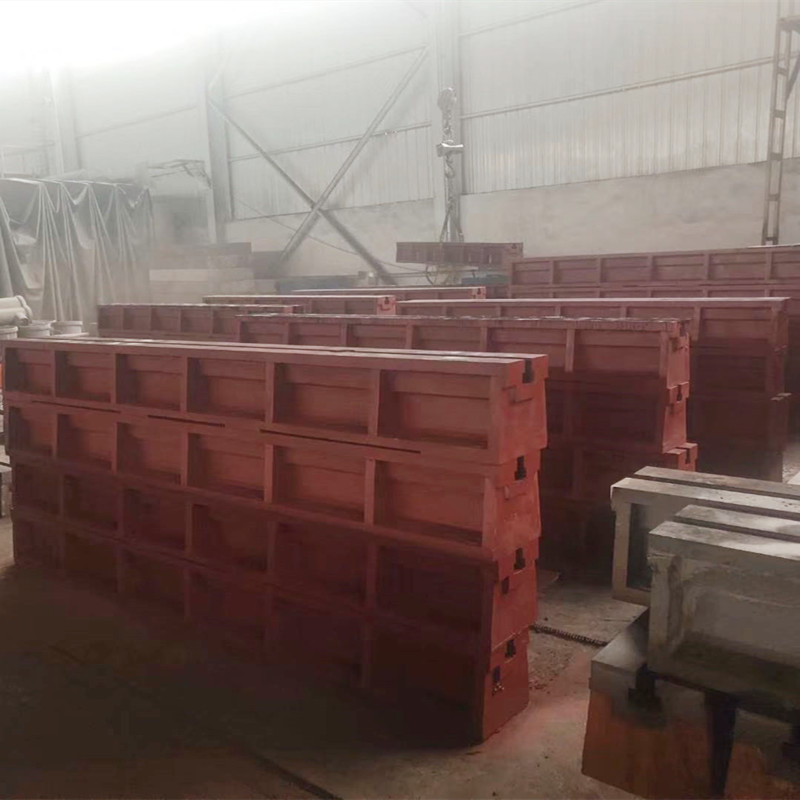
Using Cast Surfaces for Precision Plate Fabrication and Measurement Techniques
The Importance of Cast Surface Plates in Precision Manufacturing In the realm of precision manufactu
 English